
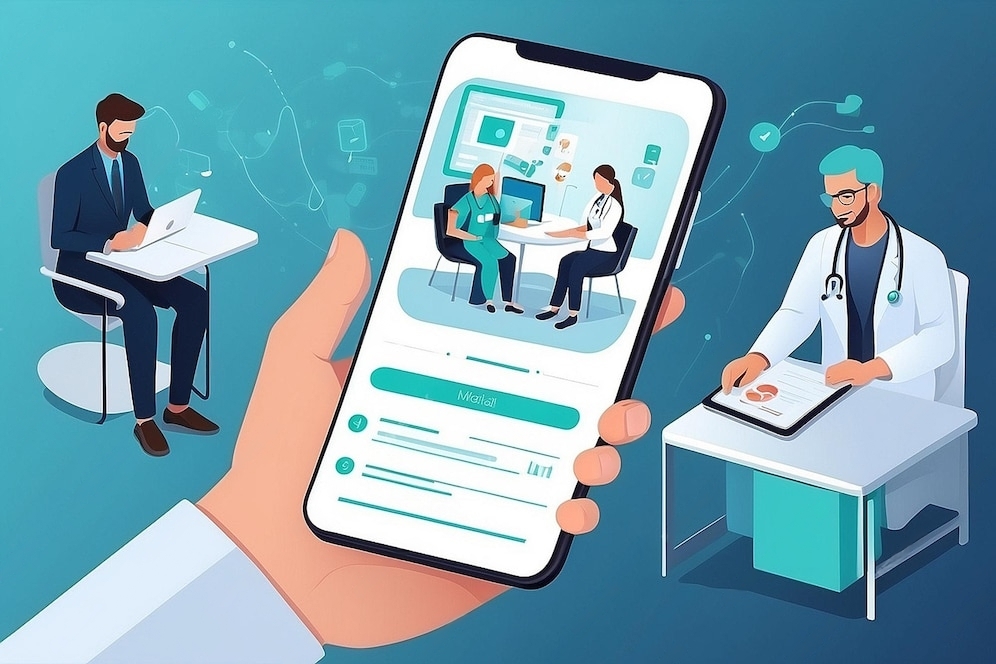
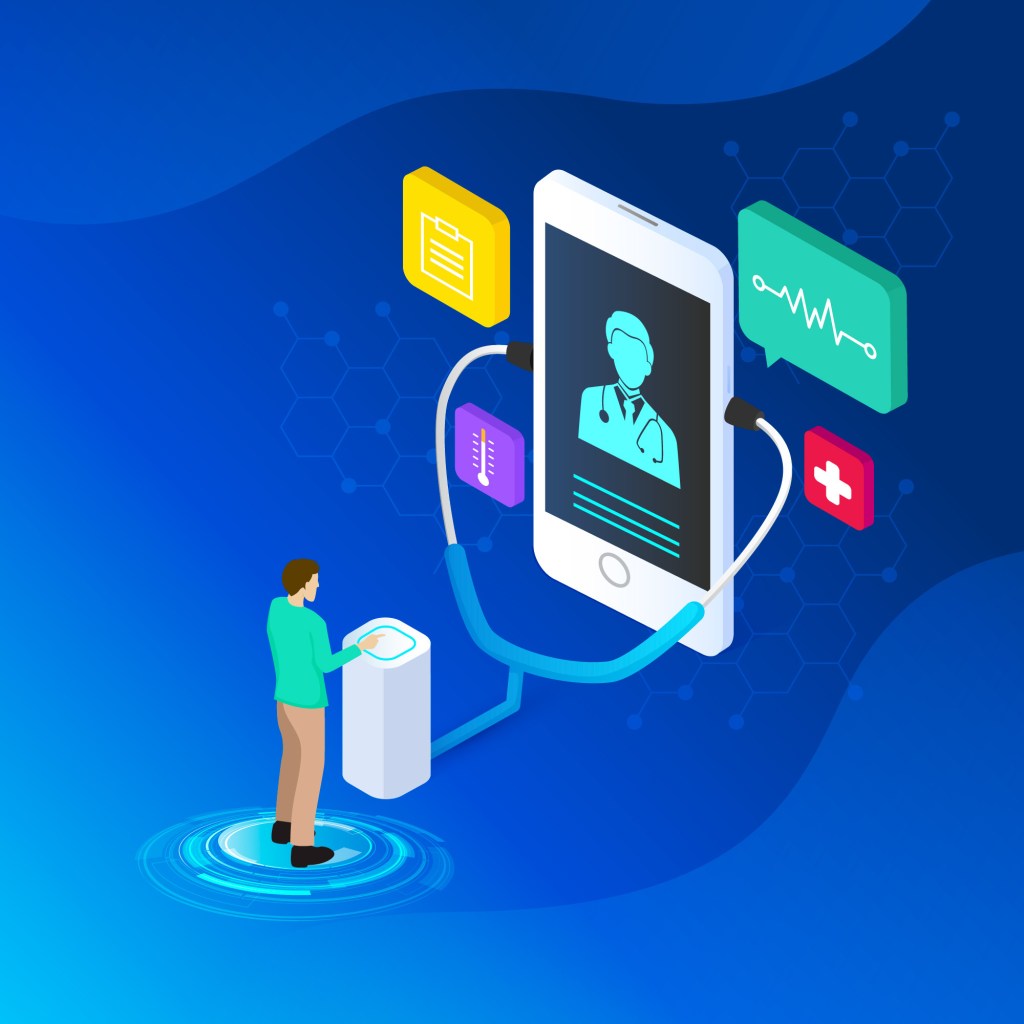
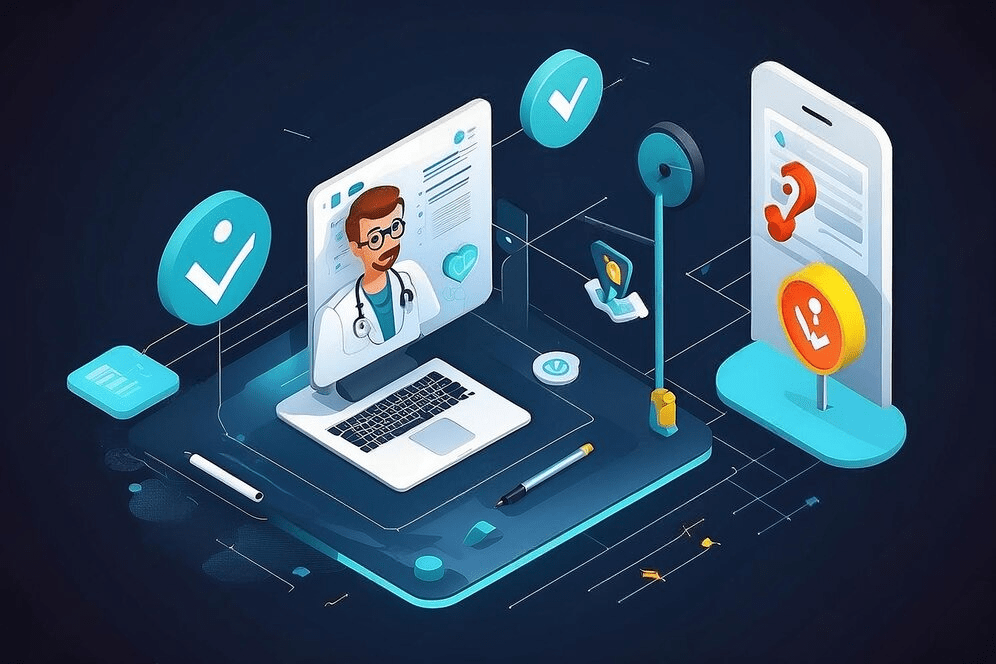
Telemedicine has revolutionized healthcare delivery, making it more accessible and efficient than ever before. With the rise of telemedicine app development services, healthcare providers can extend their reach, enhance patient care, and streamline operations. These innovative apps empower patients to connect with healthcare professionals remotely, schedule appointments, consult with doctors, and access their medical records securely.
By leveraging telemedicine software development services, healthcare organizations can create tailored solutions that meet their specific needs and improve patient outcomes. From virtual consultations to remote monitoring, telemedicine apps are transforming the way we experience healthcare, making it more convenient and accessible for patients worldwide.
What is Telemedicine?
Telemedicine, also known as telehealth, is the delivery of healthcare services remotely using technology. It allows healthcare providers to diagnose, treat, and monitor patients through virtual consultations, video calls, and secure messaging. By leveraging telemedicine app development services and telemedicine software development, healthcare providers can offer convenient and accessible care to patients, regardless of their location. This innovative approach enhances patient engagement, improves access to healthcare, and streamlines operations for healthcare providers.
Benefits of Telemedicine for Patient Care
Telemedicine offers a multitude of benefits for patients, including:
- Increased Access to Care: Telemedicine eliminates geographical barriers, allowing patients to consult with healthcare providers regardless of their location.
- Convenience and Flexibility: Virtual appointments save time and effort, as patients don’t have to travel to clinics or hospitals.
- Improved Patient Engagement: Regular virtual check-ins can strengthen the patient-provider relationship and improve adherence to treatment plans.
- Reduced Wait Times: Telemedicine can significantly reduce wait times for appointments, ensuring timely access to care.
- Enhanced Privacy and Comfort: Virtual consultations offer a private and comfortable setting for patients to discuss sensitive health issues.
- Better Health Outcomes: Timely access to care, especially for chronic conditions, can lead to better health outcomes and improved quality of life.
- Reduced Risk of Infection: Telemedicine minimizes exposure to contagious diseases, particularly during outbreaks.
Why Telemedicine Apps are Essential for Healthcare Providers
Telemedicine apps have become indispensable tools for healthcare providers, offering numerous advantages. These apps streamline operations, enhance patient engagement, and expand access to care. By leveraging telemedicine app development services and telemedicine software development, healthcare providers can create customized solutions that meet their specific needs. These apps facilitate secure and efficient communication with patients, enabling remote consultations, prescription refills, and appointment scheduling.
Additionally, they can integrate with electronic health records, ensuring seamless data management. Telemedicine apps also empower healthcare providers to offer preventive care, monitor patient health remotely, and provide timely interventions. By embracing telemedicine, healthcare providers can improve patient satisfaction, reduce operational costs, and stay competitive in the ever-evolving healthcare landscape.

Core Features of Telemedicine Software Development
A robust telemedicine software solution should incorporate the following core features:
Patient-Facing Features:
- Secure User Authentication: Implement robust security measures to protect patient data and privacy.
- Patient Profile Management: Allow patients to create and manage their health profiles, including medical history, allergies, and medications.
- Appointment Scheduling: Provide a convenient platform for booking, rescheduling, and canceling appointments.
- Secure Messaging: Enable secure communication between patients and healthcare providers.
- Video and Audio Consultations: Facilitate real-time video and audio consultations with healthcare providers.
- Electronic Health Records (EHR) Access: Allow patients to access and review their medical records.
- Prescription Management: Enable doctors to prescribe medications and patients to refill prescriptions.
- Payment Integration: Integrate secure online payment options for consultation fees and other services.
- Push Notifications: Send timely reminders and alerts for appointments, medication reminders, and health updates.
Provider-Facing Features:
- Patient Management: Manage patient schedules, medical records, and communication history.
- Teleconsultation Tools: Provide tools for video and audio consultations, screen sharing, and document sharing.
- EHR Integration: Integrate with existing electronic health record systems to streamline data exchange.
- Prescription Management: Generate and manage electronic prescriptions.
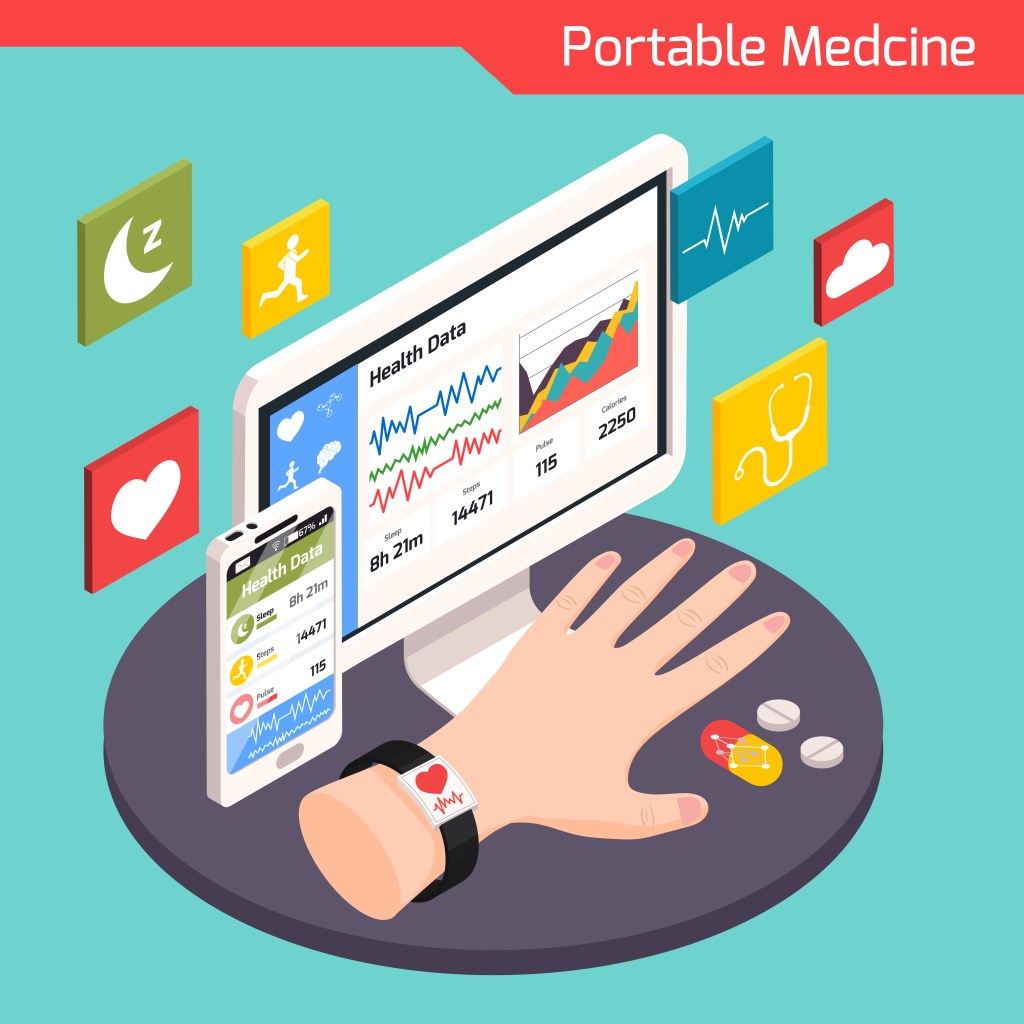
- Telemonitoring: Monitor patient health metrics remotely using wearable devices and other connected health devices.
- Analytics and Reporting: Generate insights into patient demographics, appointment trends, and treatment outcomes.
By incorporating these core features, telemedicine software can significantly improve patient care, enhance provider efficiency, and expand access to healthcare services.
Telemedicine App Development Services: Key Benefits
Telemedicine app development services offer a multitude of benefits for healthcare providers and patients alike. These services enable the development of innovative apps that enhance patient care, improve operational efficiency, and expand access to healthcare. Key benefits include:
- Enhanced Patient Experience:
- Convenient and accessible healthcare
- Reduced wait times and travel hassles
- Improved patient engagement and satisfaction
- Improved Operational Efficiency:
- Streamlined administrative tasks
- Reduced overhead costs
- Increased productivity and efficiency
- Expanded Reach:
- Access to patients in remote areas
- Ability to serve a wider patient base
- Data-Driven Insights:
- Collect and analyze patient data to improve care delivery
- Identify trends and optimize services
Legal and Security Considerations
When developing and implementing a telemedicine app, it’s crucial to adhere to legal and security regulations to protect patient privacy and data integrity. Key considerations include:
- HIPAA Compliance: Ensure that the app complies with the Health Insurance Portability and Accountability Act (HIPAA) to safeguard patient health information.
- Data Privacy and Security: Implement robust security measures, such as encryption, access controls, and regular security audits, to protect sensitive patient data.
- State-Specific Regulations: Adhere to state-specific licensing and practice regulations for telemedicine.
- Informed Consent: Obtain informed consent from patients before providing telemedicine services.
- Emergency Procedures: Establish protocols for handling emergencies and transferring patients to in-person care when necessary.
- Licensure and Credentialing: Ensure that healthcare providers are licensed and credentialed to practice telemedicine in the states where they serve patients.
- Malpractice Insurance: Maintain adequate malpractice insurance coverage for telemedicine services.
By carefully considering these legal and security factors and working with experienced telemedicine software development services, healthcare providers can mitigate risks and ensure the ethical and compliant delivery of telemedicine services.
Challenges in Developing Telemedicine Apps
Developing a robust and secure telemedicine app presents several challenges:
- Technical Complexity: Integrating various technologies, including video conferencing, secure messaging, and electronic health records, requires significant technical expertise.
- Data Security and Privacy: Protecting sensitive patient data from cyber threats is a major concern. Implementing robust security measures is essential.
- Interoperability: Ensuring seamless integration with existing healthcare systems and devices can be complex.
- Regulatory Compliance: Adhering to HIPAA and other regulatory requirements is crucial to avoid legal and ethical issues.
- User Experience: Designing a user-friendly and intuitive app that caters to both patients and healthcare providers is essential.
- Network Reliability: Reliable internet connectivity is crucial for smooth video consultations and data transfer.
By addressing these challenges and working with experienced telemedicine software development services, healthcare providers can overcome obstacles and deliver high-quality telemedicine solutions.
Integrating Telemedicine Apps with Existing Systems
Integrating a telemedicine app with existing healthcare systems is crucial for seamless data exchange and efficient workflows. This integration involves connecting the app with electronic health records (EHRs), practice management systems, and other healthcare IT systems. By integrating these systems, healthcare providers can access patient information, update medical records, and streamline administrative tasks. Key considerations for integration include:
- Data Standards: Adhering to industry standards like HL7 FHIR ensures interoperability between different systems.
- API Integration: Utilizing APIs to exchange data between the telemedicine app and other systems.
- Data Security and Privacy: Implementing robust security measures to protect sensitive patient information during data transfer.
- User Experience: Designing a user-friendly interface that allows for smooth data exchange and minimal disruption to workflows.
- Testing and Validation: Thoroughly testing the integration to ensure seamless functionality and data accuracy.
By successfully integrating the telemedicine app with existing systems, healthcare providers can optimize their workflows, improve patient care, and enhance overall efficiency.
Conclusion
Investing in telemedicine app development services is no longer optional—it’s essential for delivering superior patient care in the digital age. From expanding your reach to streamlining operations, telemedicine software has the power to transform healthcare delivery. By embracing these cutting-edge solutions, healthcare providers can meet the demands of today’s tech-savvy patients and ensure better health outcomes for all. Telemedicine apps empower patients to access care remotely, book appointments, consult with doctors, and manage their health records conveniently. For healthcare providers, these apps streamline workflows, reduce administrative burdens, and improve efficiency. As technology continues to advance, telemedicine is poised to reshape the future of healthcare, making it more accessible, affordable, and patient-centered.
 Telemedicine Software Development
Leave a comment