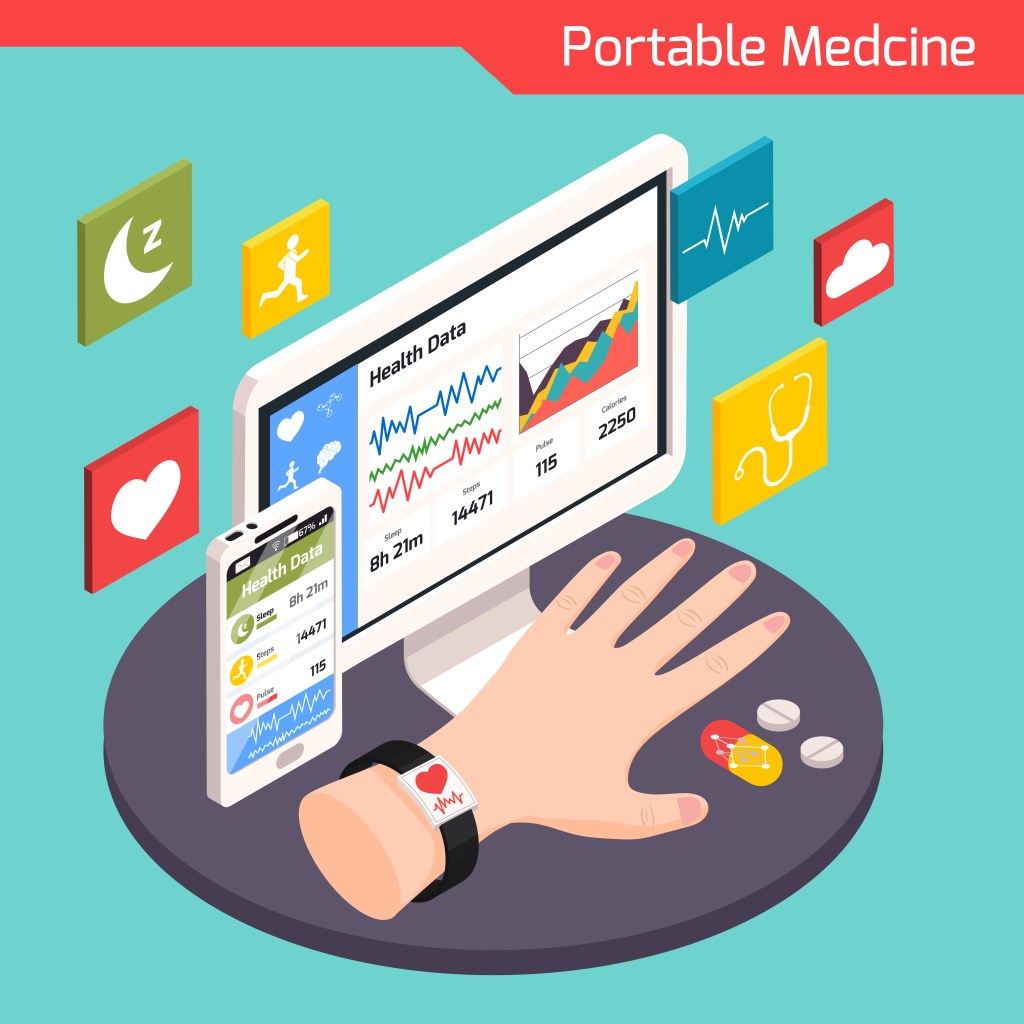
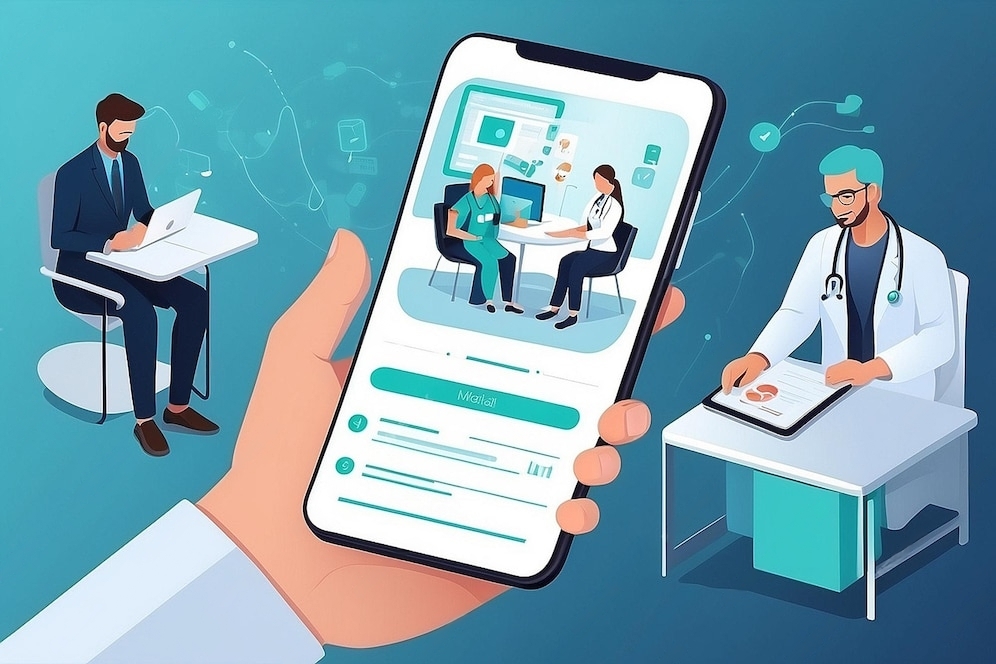
The healthcare industry is undergoing a digital revolution, and at the forefront of this transformation is telemedicine app development. These apps enable healthcare providers to connect with patients remotely, streamline medical services, and improve patient outcomes. As the demand for accessible, efficient, and cost-effective healthcare solutions grows, telemedicine software development is playing a pivotal role in shaping the future of healthcare technology.
This article delves into why telemedicine app development is a cornerstone of healthcare technology evolution, highlighting its applications, benefits, challenges, and future potential.
What is Telemedicine?
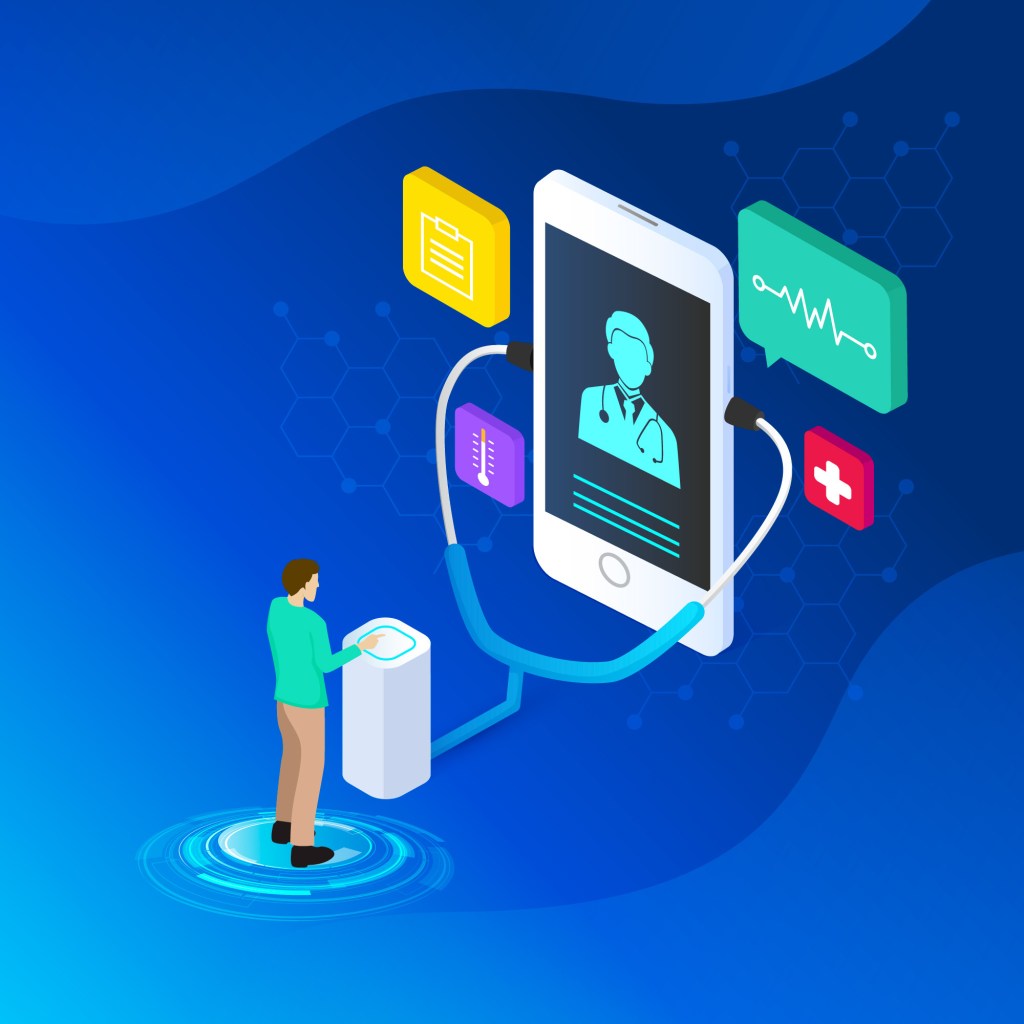
Telemedicine refers to the use of digital platforms to deliver healthcare services remotely. This includes consultations, diagnosis, treatment, and monitoring through apps and online tools. By eliminating geographical barriers, telemedicine makes healthcare more accessible to underserved populations. Telemedicine app development services and telemedicine software development play a crucial role in enabling these remote healthcare services. These services facilitate the creation of user-friendly and secure platforms that connect patients with healthcare providers, ensuring seamless communication and efficient delivery of care.
The Role of Telemedicine in Modern Healthcare
- Enhanced Accessibility: Telemedicine removes geographical barriers, making healthcare accessible to people in remote areas.
- Improved Patient Engagement: Remote consultations and monitoring tools empower patients to actively participate in their healthcare.
- Reduced Healthcare Costs: By minimizing travel time and expenses, telemedicine can lower healthcare costs for both patients and providers.
- Efficient Resource Utilization: Telemedicine can optimize healthcare resources, reducing the burden on hospitals and clinics.
- Improved Health Outcomes: Timely access to healthcare through telemedicine can lead to better health outcomes, especially for chronic conditions.
- Data-Driven Insights: Telemedicine generates valuable patient data that can be analyzed to identify trends and improve healthcare delivery.
The Role of Telemedicine Software Development in Advancing Healthcare
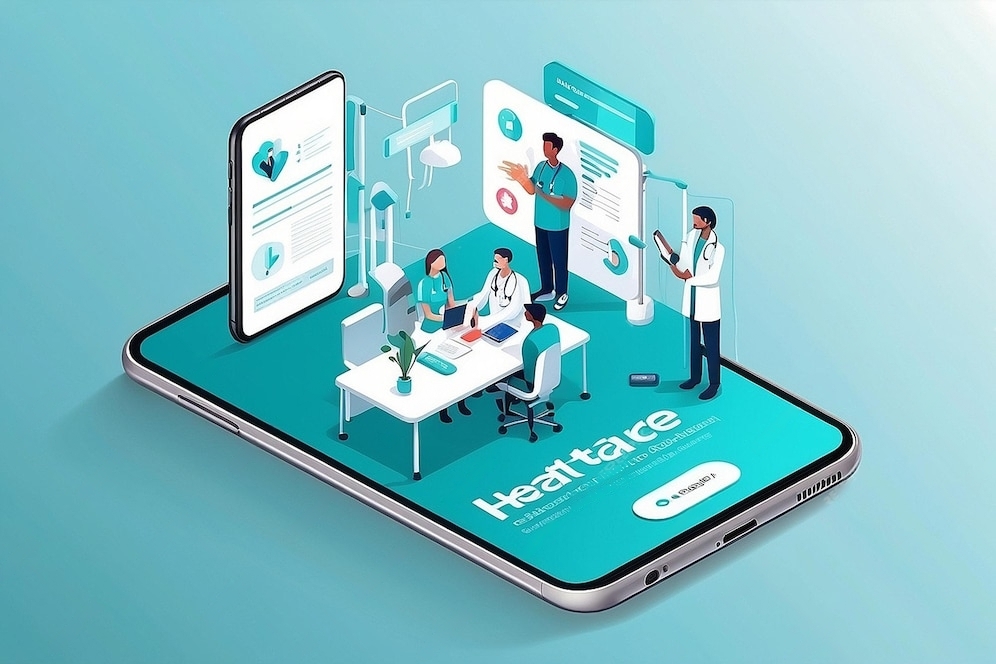
Telemedicine software development has revolutionized healthcare delivery by enabling remote consultations, diagnosis, and treatment. Through innovative telemedicine app development services, healthcare providers can offer virtual appointments, monitor patient health remotely, and share medical information securely. This technology empowers patients to access quality care from the comfort of their homes, reducing the burden on traditional healthcare systems. By streamlining administrative processes, improving patient engagement, and expanding healthcare access, telemedicine software development is driving the future of healthcare, making it more efficient, accessible, and patient-centric.
Key Benefits of Telemedicine Software Development:
- Enhanced Accessibility: Breaking down geographical barriers to healthcare.
- Improved Patient Engagement: Fostering stronger patient-provider relationships.
- Efficient Resource Utilization: Optimizing healthcare resources and reducing wait times.
- Data-Driven Insights: Leveraging patient data for better decision-making.
- Cost-Effective Healthcare: Reducing healthcare costs for both patients and providers.
- Improved Health Outcomes: Timely access to care leading to better health outcomes.
Key Features of Telemedicine Apps
- Secure Patient Portal: A platform for patients to access their medical records, schedule appointments, and communicate with healthcare providers.
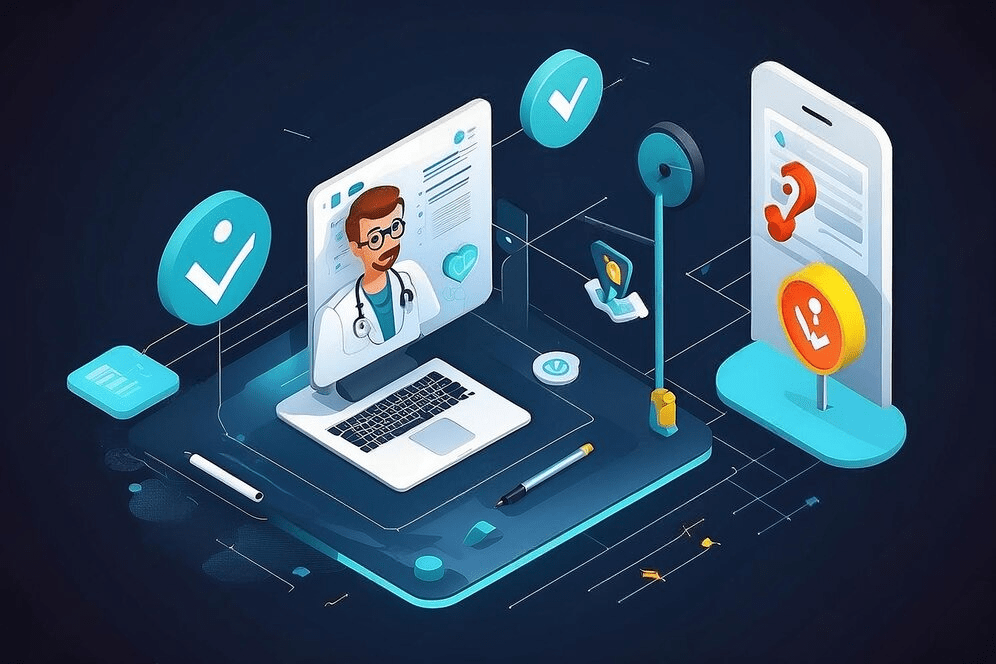
- Real-Time Video Conferencing: Enables face-to-face consultations between patients and healthcare providers.
- Secure Messaging: Allows for private and encrypted communication between patients and providers.
- E-Prescription: Enables healthcare providers to electronically prescribe medications.
- Remote Patient Monitoring: Allows for the remote monitoring of vital signs and other health metrics.
- Appointment Scheduling: Enables patients to easily schedule and manage their appointments.
- Payment Processing: Allows for secure and convenient payment processing.
- Integration with Electronic Health Records (EHRs): Seamless integration with existing healthcare systems.
- Artificial Intelligence (AI) and Machine Learning: Utilizes AI and ML for advanced features like symptom checking, diagnosis assistance, and personalized treatment plans.
Benefits of Telemedicine App Development Services
Telemedicine app development services offer a multitude of benefits for both healthcare providers and patients:
For Healthcare Providers:
- Expanded Reach: Reach a wider patient base, including those in remote areas.
- Improved Efficiency: Streamline administrative tasks and reduce overhead costs.
- Enhanced Patient Engagement: Foster stronger patient-provider relationships through remote consultations.
- Data-Driven Insights: Utilize patient data to improve treatment plans and outcomes.
- Increased Revenue: Generate additional revenue streams through virtual consultations and services.
For Patients:
- Convenient Access to Care: Receive healthcare services from the comfort of their homes.
- Reduced Wait Times: Minimize waiting time for appointments and consultations.
- Improved Accessibility: Access specialized care regardless of location.
- Enhanced Health Monitoring: Track health metrics and receive timely interventions.
- Cost-Effective Healthcare: Reduce travel expenses and time off work.
Challenges in Telemedicine App Development
While telemedicine app development offers numerous benefits, it also presents several challenges:
- Data Security and Privacy:
- Protecting sensitive patient information requires robust security measures, including encryption, secure data transmission, and strong access controls.
- Compliance with strict healthcare regulations like HIPAA and GDPR is essential.
- Technical Complexity:
- Developing reliable and scalable telemedicine apps involves complex technical challenges, such as real-time video and audio streaming, secure data transfer, and integration with diverse healthcare systems.
- User Experience:
- Creating intuitive and user-friendly interfaces for a diverse range of users, including older adults and those with disabilities, is crucial.
- Ensuring seamless navigation and efficient workflows is essential to enhance user satisfaction.
- Interoperability:
- Integrating telemedicine apps with existing healthcare systems and devices can be challenging, requiring careful consideration of data standards and protocols.
- Regulatory Compliance:
- Adhering to evolving healthcare regulations and guidelines can be complex and time-consuming.
- Staying updated with the latest regulatory requirements is essential to avoid legal and ethical issues.
- Network Reliability:
- Ensuring reliable network connectivity is crucial for smooth telemedicine consultations, especially in areas with limited or unstable internet access.
Future Trends in Telemedicine App Development
- Integration with IoT Devices: The Internet of Things (IoT) is revolutionizing telemedicine by enabling seamless integration of wearable devices and sensors. These devices collect real-time health data, enhancing diagnostic accuracy and treatment effectiveness.
- Blockchain for Secure Data Management: Blockchain technology offers a decentralized approach to storing medical records, ensuring data integrity and reducing the risk of breaches.
- Virtual and Augmented Reality Applications: Telemedicine apps are beginning to incorporate virtual and augmented reality for enhanced patient experiences. For instance, VR can be used for physical therapy sessions, while AR assists doctors during remote surgeries.
Conclusion
Telemedicine app development is not just a technological advancement; it is a transformative force shaping the future of healthcare. From improving accessibility and reducing costs to enhancing patient outcomes, the benefits are immense. Leveraging specialized telemedicine app development services and cutting-edge telemedicine software development, healthcare providers can stay ahead in a rapidly evolving industry. As technology continues to advance, telemedicine will remain at the forefront of healthcare innovation, ensuring a healthier, more connected world. By embracing telemedicine, healthcare organizations can deliver high-quality care, improve patient satisfaction, and optimize resource utilization.

 Telemedicine Software Development
Leave a comment