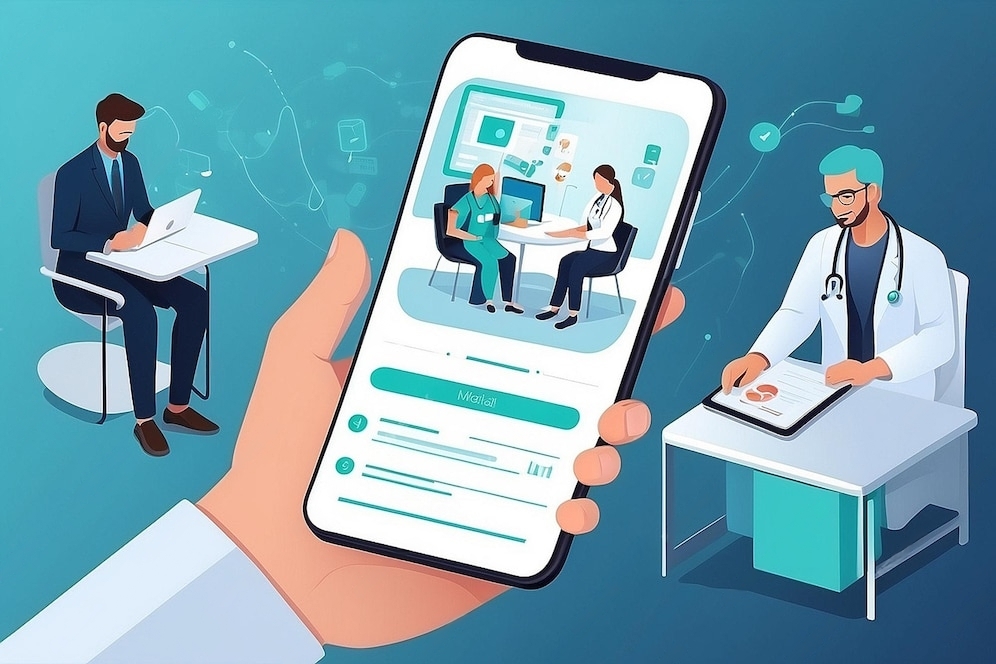
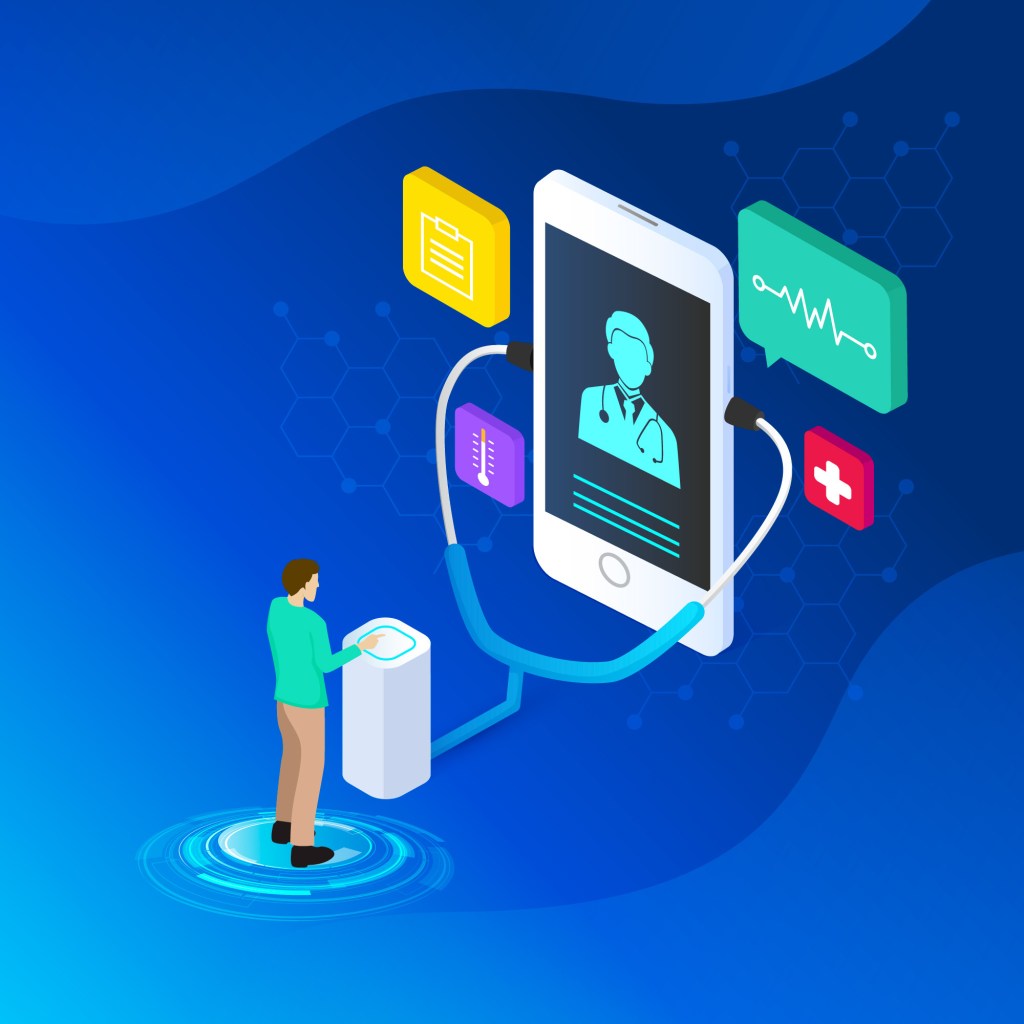
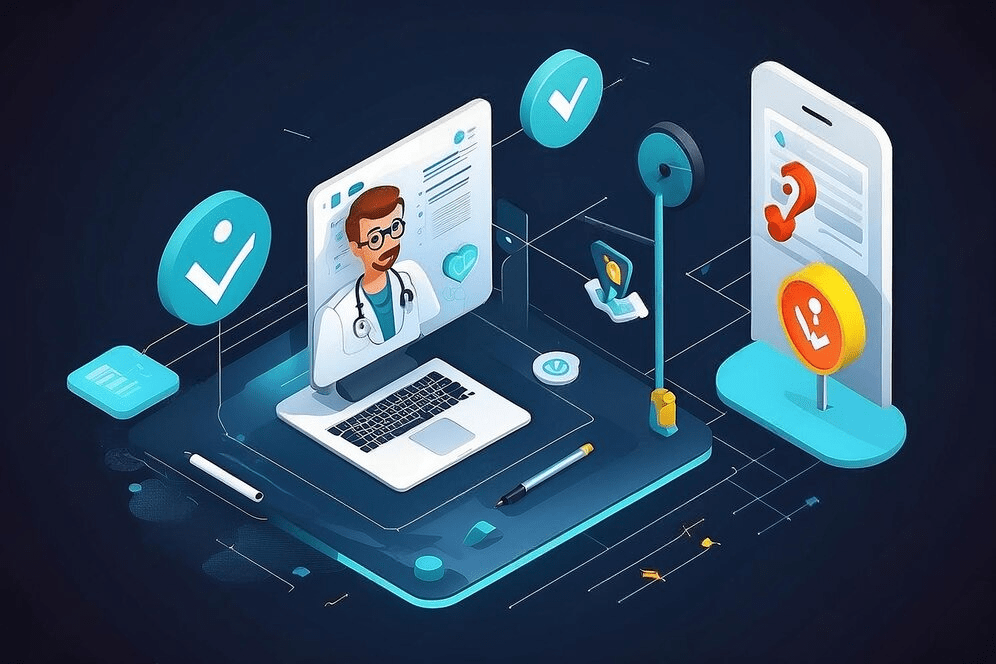
The healthcare landscape is undergoing a digital revolution, and telemedicine is at the forefront of this transformation. With the rise of innovative telemedicine apps, patients can now consult doctors, access medical records, and receive prescriptions—all without leaving their homes. Telemedicine app development services are instrumental in driving this change. By crafting user-friendly and secure solutions, developers are empowering patients and healthcare providers alike. These apps offer a range of features, including real-time video consultations, secure messaging, electronic prescriptions, and remote patient monitoring. As technology continues to advance, telemedicine is poised to reshape the way we access and deliver healthcare services.
The Evolution of Telemedicine
Telemedicine, the remote delivery of healthcare services, has evolved significantly over the years. Initially, it involved simple phone consultations and faxed prescriptions. However, with advancements in technology, telemedicine has transformed into a sophisticated and comprehensive healthcare solution. Telemedicine software development services have played a pivotal role in this evolution, enabling the development of user-friendly and secure telemedicine apps. These apps offer a wide range of features, including video conferencing, secure messaging, and remote patient monitoring. As technology continues to advance, we can expect further innovations in telemedicine, such as AI-powered diagnosis and virtual reality-enhanced consultations.
From Traditional to Virtual Care
Historically, healthcare relied heavily on in-person consultations. However, technological advancements have enabled virtual care, making medical services accessible through digital platforms.
The Impact of COVID-19
The pandemic accelerated the adoption of telemedicine as patients sought safer alternatives to visiting clinics. This surge highlighted the need for efficient telemedicine software development, prompting developers to focus on creating scalable and secure apps.
The Role of Telemedicine Apps in Modern Healthcare
Telemedicine apps have revolutionized the way healthcare is delivered, offering numerous benefits to both patients and healthcare providers. Here are some key roles of telemedicine apps in modern healthcare:
- Improved Access to Care: Telemedicine apps break down geographical barriers, making healthcare services accessible to people in remote areas.
- Enhanced Patient Experience: Convenient and timely access to medical care, especially for chronic conditions.
- Reduced Healthcare Costs: Lowering costs associated with transportation and in-person visits.
- Efficient Healthcare Delivery: Streamlining appointments, reducing wait times, and improving overall efficiency.
- Remote Patient Monitoring: Tracking vital signs and other health metrics remotely.
- Mental Health Support: Providing therapy and counseling sessions through virtual platforms.
- Chronic Disease Management: Monitoring and managing chronic conditions remotely.
- Telehealth Education: Offering educational resources and training for healthcare professionals.

Challenges in Telemedicine App Development
While telemedicine offers numerous advantages, it also presents several challenges that telemedicine app development services must address. Ensuring robust security and privacy is paramount, as sensitive patient data requires stringent protection. Technical issues, such as network connectivity and device compatibility, can hinder the user experience.
Additionally, regulatory compliance and reimbursement policies vary across different regions, making it crucial to adhere to local regulations. Building trust between patients and healthcare providers in a virtual setting is another challenge that requires careful consideration. By addressing these challenges and prioritizing user experience, telemedicine software development can continue to revolutionize healthcare delivery.
Key Features of Telemedicine Apps
- Secure User Authentication: A robust login system with multi-factor authentication to protect patient data.
- Patient Profiles: A comprehensive profile for each patient, including medical history, allergies, medications, and insurance information.
- Appointment Scheduling: A flexible scheduling system that allows patients to book appointments with healthcare providers at their convenience.
- Virtual Consultations: High-quality video and audio conferencing capabilities for real-time consultations.
- Secure Messaging: A secure messaging system for communication between patients and healthcare providers.
- E-Prescriptions: Digital prescriptions that can be sent directly to the patient’s pharmacy.
- Payment Integration: A secure payment gateway for online transactions.
- Health Records: A centralized repository for storing and accessing medical records.
- Push Notifications: Timely reminders for appointments, medication refills, and health updates.
- Telehealth Monitoring: Remote monitoring of vital signs and other health parameters using wearable devices.
How Developers Approach Telemedicine App Development
Telemedicine app development services typically follow a structured approach to build robust and user-friendly applications. The process often involves:
- Requirement Gathering: Understanding the specific needs and goals of healthcare providers and patients.
- Design and Prototyping: Creating wireframes and prototypes to visualize the app’s user interface and user experience.
- Development: Building the app using technologies like React Native, Flutter, or native iOS and Android development.
- Security and Privacy: Implementing robust security measures to protect sensitive patient data.
- Testing and Quality Assurance: Rigorously testing the app to identify and fix bugs.
- Deployment: Deploying the app to app stores and ensuring smooth updates and maintenance.
The Importance of Telemedicine App Development Services
Telemedicine app development services have become indispensable in today’s healthcare landscape. These services play a critical role in enhancing accessibility, efficiency, and quality of healthcare. By developing innovative and user-friendly telemedicine apps, developers can empower patients and healthcare providers alike.
Here are some key benefits of telemedicine app development services:
- Improved Access to Care: Telemedicine apps break down geographical barriers, making healthcare services accessible to people in remote areas.
- Enhanced Patient Experience: Convenient and timely access to medical care, especially for chronic conditions.
- Reduced Healthcare Costs: Lowering costs associated with transportation and in-person visits.
- Efficient Healthcare Delivery: Streamlining appointments, reducing wait times, and improving overall efficiency.
- Remote Patient Monitoring: Tracking vital signs and other health metrics remotely.
- Mental Health Support: Providing therapy and counseling sessions through virtual platforms.
- Chronic Disease Management: Monitoring and managing chronic conditions remotely.
- Telehealth Education: Offering educational resources and training for healthcare professionals.
Future Trends in Telemedicine App Development
The future of telemedicine app development is promising, with several exciting trends on the horizon. Artificial intelligence (AI) and machine learning (ML) will play a significant role in enhancing diagnostic accuracy and personalized treatment plans. Integration of wearable devices will enable real-time monitoring of patient health metrics. Virtual and augmented reality technologies will revolutionize remote consultations and surgical procedures. Additionally, blockchain technology can be used to ensure secure and transparent data sharing. As technology continues to advance, telemedicine app development services will be at the forefront of shaping the future of healthcare.
Key Future Trends
1. AI and ML-powered diagnosis and treatment plans
2. Integration of wearable devices for remote patient monitoring
3. Virtual and augmented reality for immersive telemedicine experiences
4. Blockchain technology for secure and transparent data sharing
5. Enhanced security and privacy measures
6. User-friendly interfaces and personalized experiences
7. Integration with other healthcare systems and devices
The Impact on Healthcare Providers
Telemedicine apps have a significant impact on healthcare providers. By leveraging telemedicine software development services, providers can enhance efficiency, improve patient outcomes, and expand their reach. Telemedicine enables remote consultations, reducing the need for in-person visits and allowing healthcare providers to see more patients in a shorter amount of time. Additionally, telemedicine apps can facilitate better communication with patients, leading to improved patient satisfaction and adherence to treatment plans. By adopting telemedicine, healthcare providers can adapt to changing patient needs and stay competitive in a rapidly evolving healthcare landscape.
Conclusion
Telemedicine apps are revolutionizing patient care by bridging gaps in accessibility, enhancing convenience, and empowering both patients and healthcare providers. With expert telemedicine software development services, developers can create secure, user-friendly solutions that cater to the unique challenges of modern healthcare. By leveraging advanced technologies, these apps facilitate remote consultations, e-prescriptions, and real-time patient monitoring. As technology continues to evolve, telemedicine app development will play an increasingly vital role in shaping the future of healthcare, making it more accessible, efficient, and patient-centered.

 Telemedicine Software Development
Leave a comment