
The healthcare industry has undergone a remarkable transformation, with technology emerging as a crucial catalyst for enhancing patient care and accessibility. Telemedicine, a groundbreaking solution that enables remote connections between patients and healthcare providers, has emerged as one of the most innovative advancements in this domain. As the world embraces digitalization, telemedicine app development services have become indispensable in delivering quality care, particularly in underserved regions.
These services empower healthcare providers to extend their reach and offer timely medical assistance to individuals residing in remote or rural areas, where traditional in-person care may be limited. By leveraging telemedicine apps, patients can conveniently access consultations, diagnoses, and treatment recommendations from qualified professionals, regardless of their geographic location. This improves access to healthcare, reduces the burden on healthcare facilities, and contributes to overall healthcare system efficiency.
The Growing Demand for Digital Healthcare Solutions
The demand for telemedicine and digital healthcare has surged, especially since the COVID-19 pandemic. Patients are increasingly seeking ways to consult with healthcare providers without needing to travel, and telemedicine provides the perfect solution. It has led to a spike in telemedicine app development services as healthcare providers look to build robust platforms that offer seamless communication between patients and doctors.
Benefits of Telemedicine in Today’s Healthcare Landscape
Telemedicine offers a range of benefits to both patients and healthcare professionals. These include:
- Convenience: Patients can schedule consultations and receive medical advice from the comfort of their homes.
- Time and cost savings: Both patients and doctors save time, and the costs associated with physical visits are reduced.
- Access to specialists: Patients in remote or underserved areas can access top-tier healthcare services without the need for long-distance travel.
What is Telemedicine App Development?
Telemedicine app development refers to the process of creating software solutions that enable healthcare providers to offer remote services. These apps allow patients to connect with doctors via video calls, messaging, or even through remote monitoring devices. The development process involves various stages such as planning, designing, and integrating features like EHR (Electronic Health Records).
Key Components of Telemedicine Software Development
The development of a telemedicine app typically includes several core components:
- User interface design: Creating an easy-to-navigate platform for both patients and providers.
- Video conferencing capabilities: Ensuring high-quality, secure video calls.
- Data security: Implementing measures like encryption to protect sensitive health information.
- Integration with EHRs: Allowing doctors to access patient histories and update records remotely.
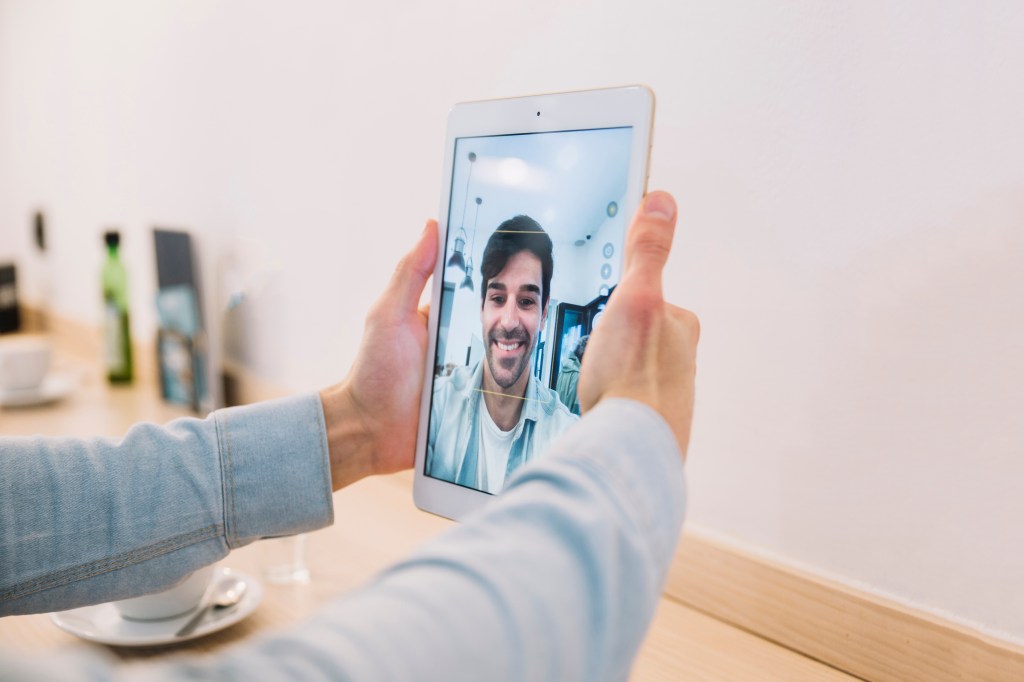
The Role of Telemedicine in Revolutionizing Healthcare
Telemedicine mobile app development is revolutionizing healthcare by providing accessible, convenient, and cost-effective care, especially in underserved areas. Patients can now connect with healthcare providers remotely for consultations, diagnoses, and treatment recommendations.
1. How Telemedicine is Bridging the Gap in Healthcare Access
One of the most significant impacts of telemedicine is its ability to improve access to healthcare, especially for people in rural or underserved areas. With a well-developed telemedicine mobile app development, patients who may have limited access to doctors can now consult with healthcare providers from their homes. This remote accessibility ensures that more people receive timely medical care, which can significantly improve health outcomes.
2. Addressing Rural and Underserved Communities through Telemedicine
Many rural communities face a shortage of healthcare professionals. Telemedicine mobile app development help address this issue by connecting patients with specialists and primary care providers, no matter where they are located. This helps mitigate healthcare disparities by ensuring that all individuals have access to medical expertise, whether they live in urban centers or remote areas.
Key Features of a Telemedicine App
A successful telemedicine app should include the following essential features:
- Secure video conferencing: Enables real-time, high-quality video and audio consultations.
- Patient portal: Allows patients to schedule appointments, access medical records, and communicate with providers.
- Electronic health records (EHR) integration: Ensures seamless data sharing between the app and existing EHR systems.
- Messaging and notifications: Facilitates communication and alerts patients about appointment reminders or important updates.
- Remote monitoring: Tracks vital signs and other health metrics for patients with chronic conditions.
- Payment processing: Enables secure online payments for consultations and services.
- Prescription management: Allows providers to prescribe medications electronically and track refills.
- Translation services: Supports patients with language barriers.
- Integration with medical devices: Connects with wearable devices or medical equipment for data collection.
Types of Telemedicine Applications
Telemedicine applications can be categorized based on their specific use cases:
1. Store-and-Forward Telemedicine:
- Involves collecting medical data (e.g., images, videos) and transmitting it to a remote healthcare provider for review and diagnosis at a later time.
- Suitable for applications like radiology, dermatology, and pathology.
2. Real-Time Telemedicine:
- Involves live, interactive communication between patients and healthcare providers via video conferencing or phone calls.
- Ideal for urgent care, consultations, and follow-up appointments.
3. Remote Patient Monitoring (RPM):
- Uses wearable devices or medical equipment to collect patient data (e.g., heart rate, blood pressure) and transmit it to healthcare providers for monitoring.
- Commonly used for chronic disease management, such as diabetes or heart failure.
4. Mobile Health (mHealth):
- Leveraging mobile devices (e.g., smartphones, tablets) to deliver healthcare services and information.
- Includes apps for medication reminders, symptom trackers, and health education.
5. Telepsychiatry:
- Specifically designed for providing mental health services remotely.
- Can involve individual therapy sessions, group therapy, and medication management.
6. Teledermatology:
- Focuses on diagnosing and treating skin conditions remotely.
- Often involves transmitting images of skin lesions for analysis by dermatologists.
Steps in Telemedicine Software Development
Planning and Requirement Gathering
Before starting development, it is essential to define the app’s requirements. This includes understanding the target audience, the app’s core functionalities, and any necessary integrations like EHR systems.
Designing the User Interface
A well-designed user interface (UI) is crucial to ensure that the app is intuitive for both patients and healthcare providers. The UI should be clean, user-friendly, and optimized for both mobile and desktop platforms.
Development and Integration of Features
Once the design is finalized, developers start building the app, incorporating features like secure messaging, video calls, and EHR integration.
Testing and Deployment
Testing is a crucial step to ensure that the app is functional, secure, and free of bugs. After rigorous testing, the app is deployed to the market, where healthcare providers can start using it to serve patients.
Choosing the Right Telemedicine App Development Company
When selecting a telemedicine app development company, consider the following factors:
- Experience: Look for a company with a proven track record in healthcare app development.
- Expertise: Ensure they have a deep understanding of telemedicine regulations and best practices.
- Portfolio: Review their previous projects to assess their capabilities and quality of work.
- Security and privacy: Verify their commitment to data security and compliance with HIPAA regulations.
- Scalability: Choose a company that can handle future growth and increasing user loads.
- Communication: Effective communication and collaboration are essential for a successful project.
- Cost: Obtain quotes from multiple companies and compare pricing models.
The Future of Telemedicine Mobile App Development
Telemedicine mobile app development is poised to play a pivotal role in shaping the future of healthcare. As technology continues to advance, we can expect to see even more innovative and sophisticated telemedicine solutions. The integration of artificial intelligence (AI) and machine learning (ML) will enable telemedicine apps to provide more personalized and predictive care. For instance, AI-powered chatbots can offer initial triage and symptom assessment, while ML algorithms can analyze patient data to identify potential health risks. Additionally, the growing adoption of wearable devices and Internet of Things (IoT) technologies will enhance remote patient monitoring capabilities, allowing for real-time tracking of vital signs and early detection of health issues.
Furthermore, advancements in augmented reality (AR) and virtual reality (VR) can revolutionize telemedicine by providing immersive experiences for patients and healthcare providers. These technologies can be used to simulate medical procedures, enhance patient education, and improve the overall telemedicine experience. As the demand for accessible and affordable healthcare continues to rise, telemedicine mobile app development companies will be at the forefront of driving innovation and transforming the way we receive medical care.
Benefits of Telemedicine App Development Services
- Improved Access to Healthcare: Telemedicine apps break down geographical barriers, allowing patients in remote or underserved areas to connect with specialists who might otherwise be inaccessible.
- Enhanced Patient Convenience: Telehealth appointments can be scheduled at times that are convenient for patients, reducing the need for time-consuming travel and waiting room visits.
- Lower Healthcare Costs: By reducing travel expenses, waiting times, and the need for in-person visits, telemedicine can help lower healthcare costs for both patients and providers.
- Improved Patient Engagement: Telemedicine can foster better communication between patients and healthcare providers, leading to improved patient outcomes and adherence to treatment plans.
- Enhanced Efficiency: Telemedicine can streamline administrative tasks and reduce the burden on healthcare facilities, allowing providers to focus more on patient care.
Conclusion
Telemedicine is undeniably revolutionizing the healthcare landscape, making it more accessible, efficient, and convenient. By leveraging the power of technology, telemedicine app development services are enabling healthcare providers to extend their reach, improve patient outcomes, and streamline their operations. As technology continues to advance, we can anticipate further innovations in telemedicine software development that will enhance the patient experience and drive efficiency within the healthcare sector. By partnering with reputable telemedicine app development companies, healthcare organizations can harness the potential of these cutting-edge solutions to deliver high-quality care and improve overall healthcare accessibility. The future of telemedicine is bright, and its impact on the healthcare industry is poised to be profound.
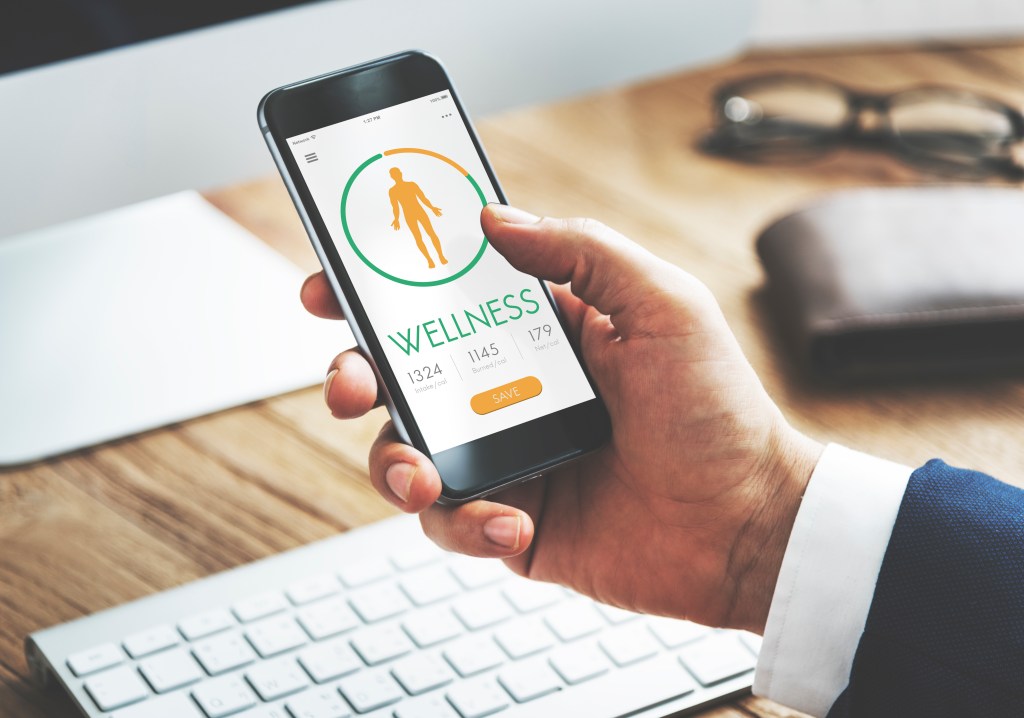
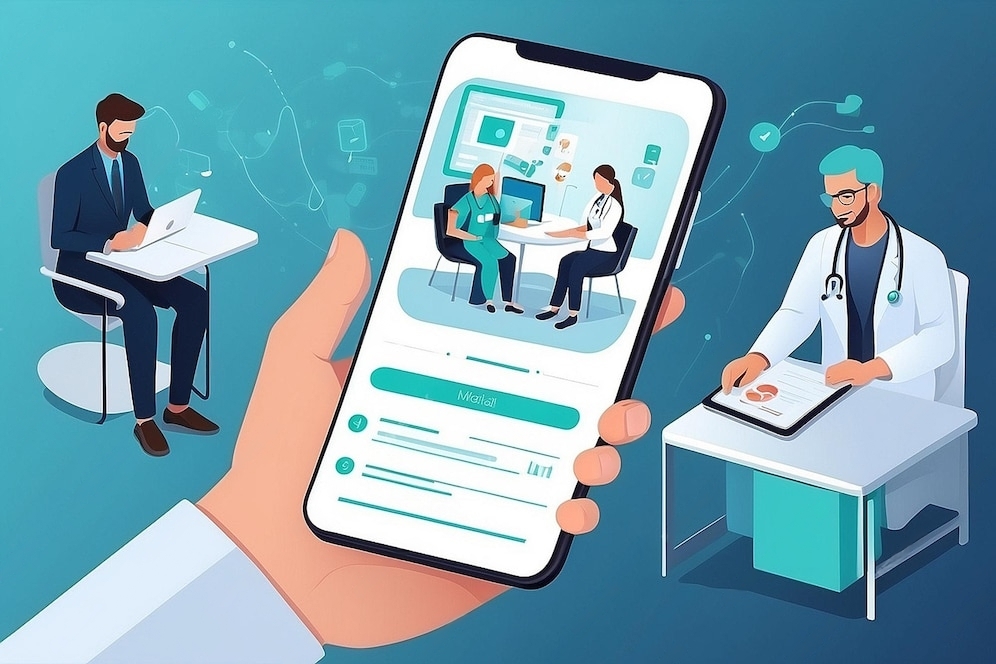
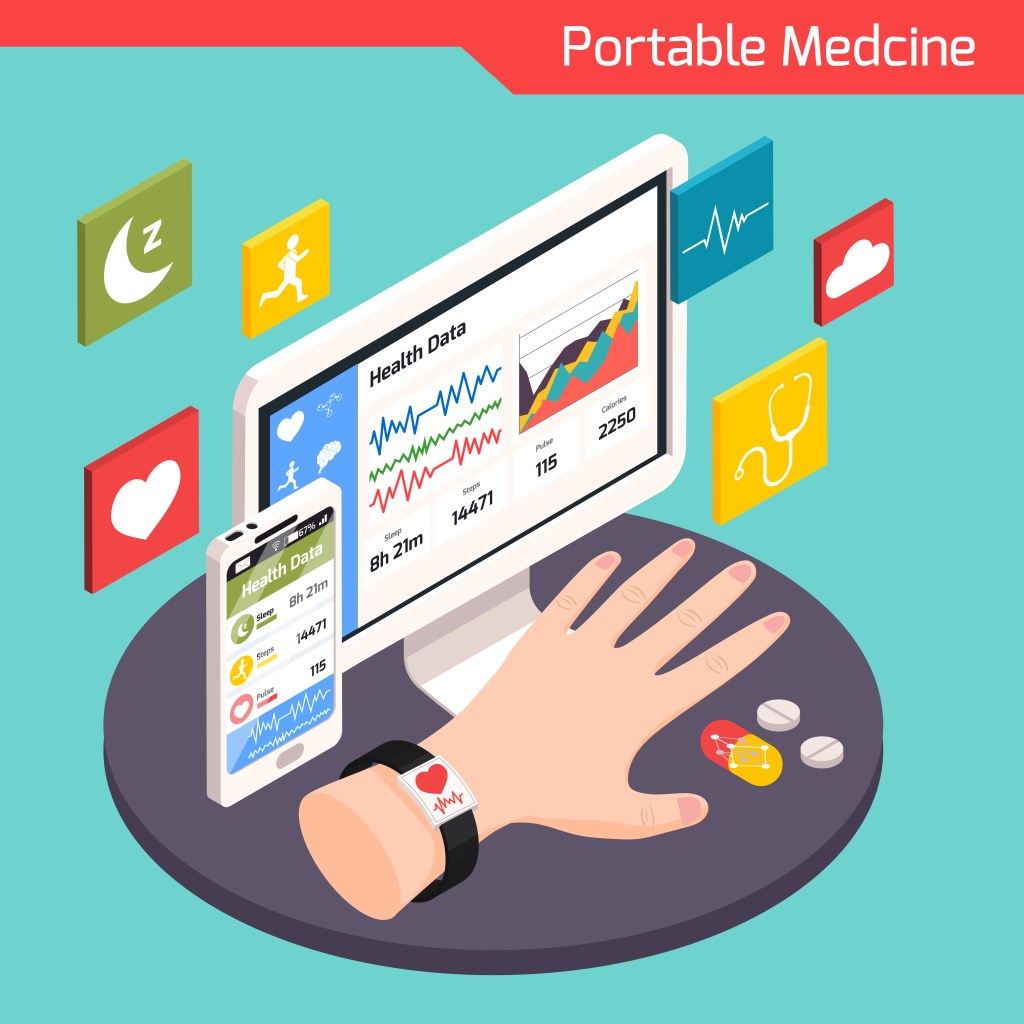

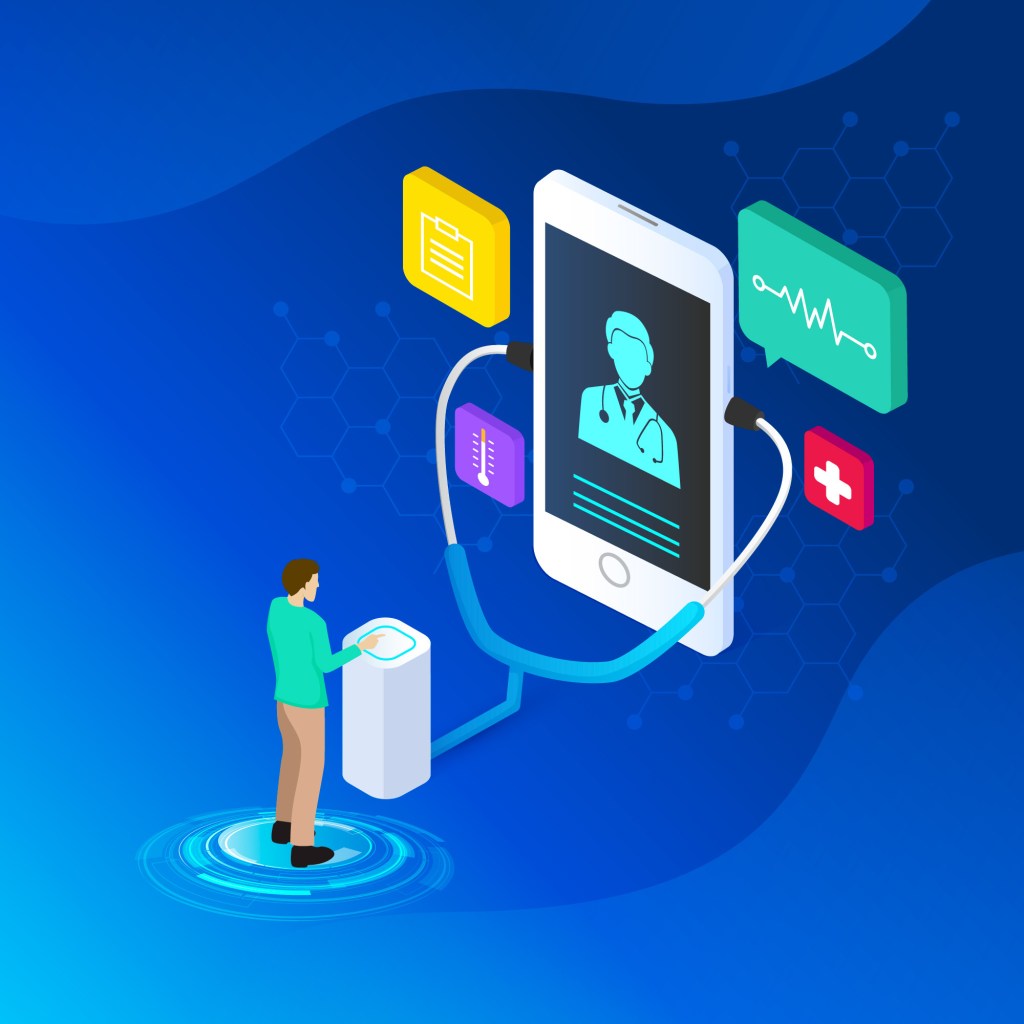
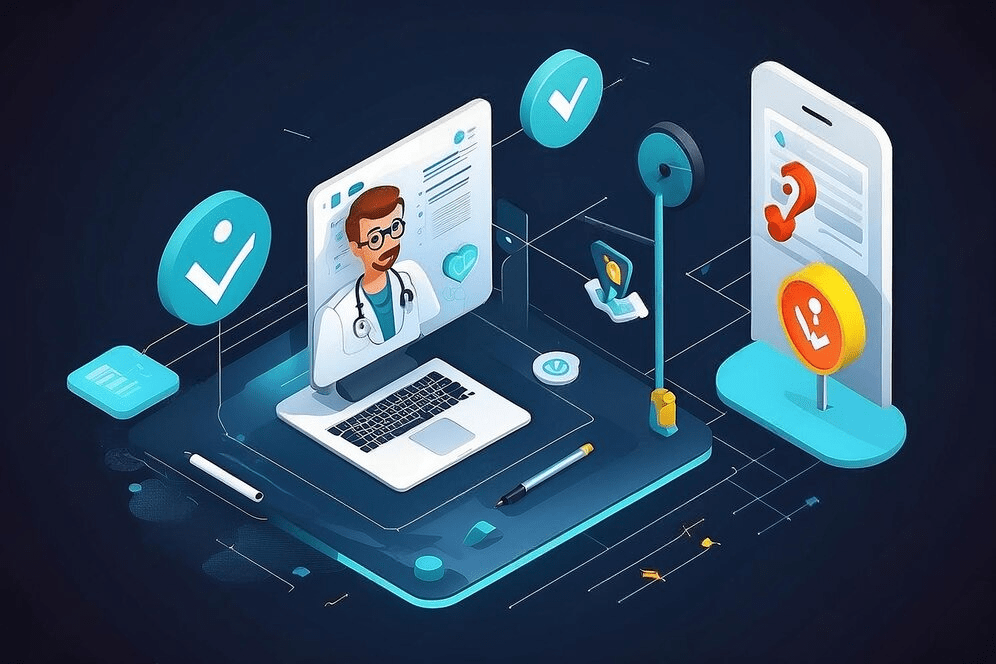
 Telemedicine Software Development
Leave a comment